The Haldi Ceremony: A Complete Guide to Photographing Austin's Most Colorful Wedding Tradition | ISHA Photography
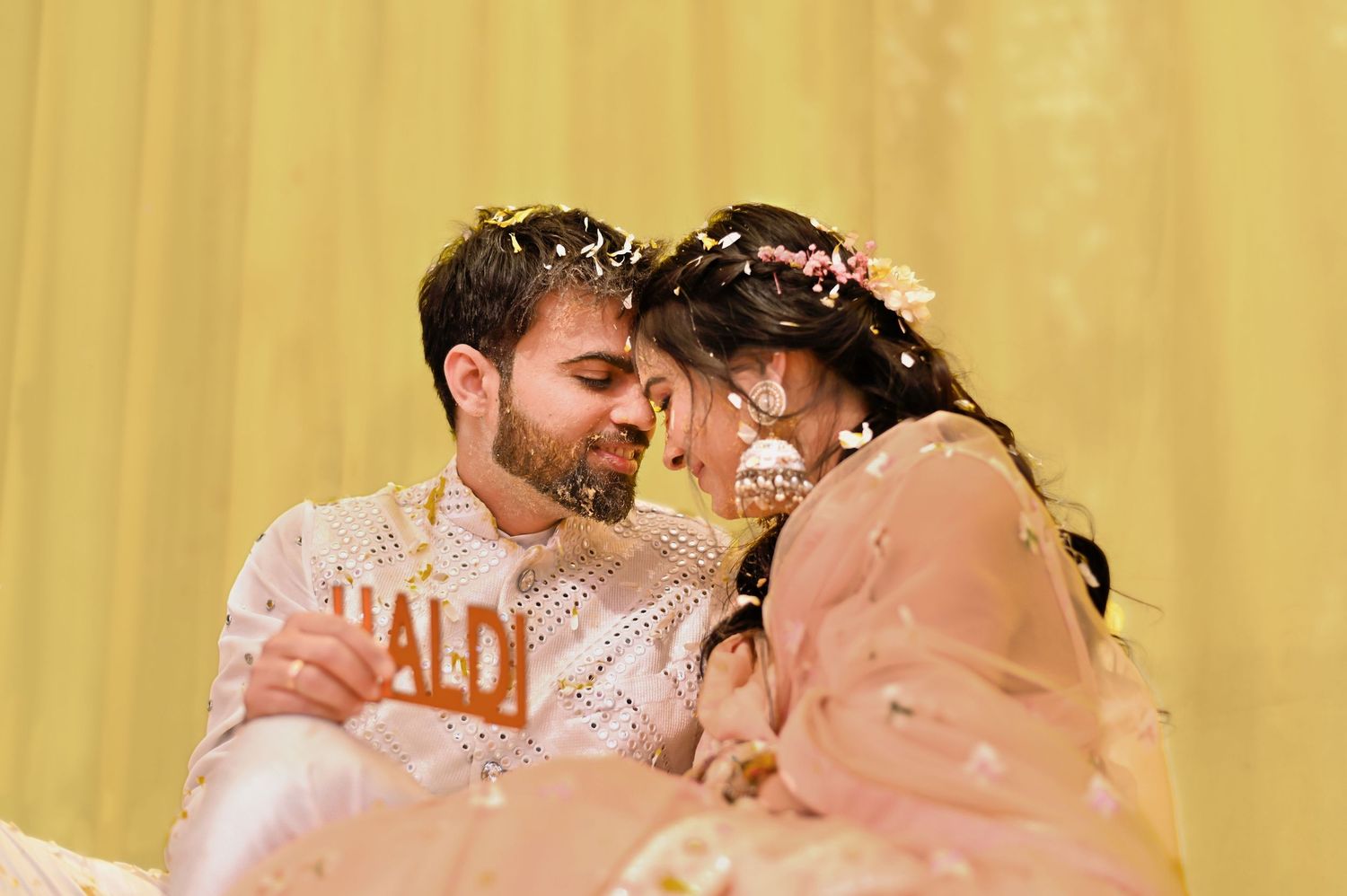
If you've been searching for a Haldi ceremony photographer in Austin, you already know this is one of the most joyful, chaotic, and visually stunning events in the entire wedding week. Turmeric paste flying, aunties laughing, the bride glowing under yellow light — Haldi is pure emotion, and it deserves a photographer who knows exactly where to stand and when to press the shutter.
At ISHA Photography, we've covered Haldi ceremonies across Austin and the Hill Country, and we've learned that this ceremony gets underestimated more than any other part of an Indian wedding. Couples plan meticulously for the Sangeet and the main ceremony, then treat Haldi as an afterthought — and end up missing some of the most genuine, unposed photos of the entire celebration.
Here's everything you need to know to make sure your Haldi photography turns out as beautiful as the ceremony itself.
What Is the Haldi Ceremony?
Haldi (also called Pithi in some communities) is a pre-wedding ritual where turmeric paste, mixed with rosewater, sandalwood, or milk depending on regional tradition, is applied to the bride and groom's skin by family members. It's meant to bless the couple, ward off evil eye, and give the skin a natural glow before the wedding — but practically speaking, it's also the moment where every ounce of formality disappears and families just have fun.
Depending on your background, this ceremony might look a little different:
- North Indian weddings: Often called Haldi, typically held at the bride's or groom's home a day or two before the wedding
- Gujarati weddings: Called Pithi, sometimes combined with Mandva Muhurat
- Bengali weddings: Known as Gaye Holud, often held the morning of the wedding
- South Indian weddings: A version of this ritual appears as part of pre-wedding rites, though styled differently
Because the ritual shifts by region, a photographer who doesn't ask about your specific traditions beforehand will miss the moments that matter most to your family.
Why Haldi Photography Deserves Its Own Plan
Most Austin-based couples we talk to plan a full shot list for the ceremony and reception, then assume Haldi will "just happen" in the background. The problem: Haldi is fast-moving, messy in the best way, and full of split-second expressions you can't recreate. If your photographer isn't positioned correctly or isn't watching for the right cues, those moments are gone.
A few things that make Haldi photography genuinely different from ceremony photography:
- Lighting changes fast. Most Haldi ceremonies happen outdoors or in a backyard/patio setting, meaning natural light is doing a lot of the work. Timing matters.
- The color is the subject. Yellow turmeric against skin, fabric, and flowers needs a photographer who understands how to expose for warm tones without blowing out highlights.
- It's participatory, not staged. Unlike bridal portraits, you can't really "redo" a Haldi moment. Getting it right the first time is the entire job.
Must-Have Haldi Ceremony Shots
Based on the Haldi ceremonies we've photographed around Austin, these are the shots that families ask for again and again — and the ones they regret not getting when a photographer missed them:
- The first application — usually done by a parent or grandparent, this is often the most emotional moment of the ceremony
- Wide shots of the full setup — flowers, banana leaves, turmeric bowls, the decor before it gets messy
- Candid reactions — the laughing, flinching, and "stop, my makeup!" moments that never get planned
- Sibling and cousin involvement — especially if there's a tradition of the wedding party joining in
- Close-up detail shots — turmeric-stained hands, marigold garlands, the paste itself
- The "after" — bride or groom fully covered, often mid-laugh, mid-shower rinse-off, or being helped up by family
- Group shots before things get too messy — get this early, because it will not happen later
Best Time of Day for Haldi Photography in Austin
Most Haldi ceremonies in the Austin area happen either mid-morning or early afternoon, often at a family home, a rented event space, or a hotel courtyard. If you have any flexibility in scheduling, late morning light (around 10–11 AM) gives the most flattering, soft natural light without the harsh overhead sun that Texas afternoons are known for. If your Haldi is outdoors, we always recommend scouting the space in advance — shade structures, patios, or east-facing yards give the most workable light for a longer window of time.
What to Ask Your Photographer Before Haldi Day
If you're comparing photographers for your Indian wedding week in Austin, here are a few questions worth asking before you book:
- Have you photographed a Haldi ceremony before, and do you understand how it differs by regional tradition?
- Will you bring a second shooter, since Haldi often has action happening in multiple places at once?
- How do you protect your gear from turmeric splatter? (A real question — ask it.)
- Can you shoot into golden-hour light if the ceremony runs outdoors into the afternoon?
At ISHA Photography, we ask about your specific family traditions before wedding week even starts, so we know exactly what to watch for when the paste starts flying.
Haldi Is Part of a Bigger Story
Haldi doesn't happen in isolation — it's one chapter in your full wedding week alongside Mehndi, Sangeet, and the ceremony itself. If you haven't already, take a look at our guide to planning your full Indian wedding photography timeline in Austin, and our deep dive into Sangeet night photography for how these events connect.
If you're just starting to plan and want a photographer who understands every ritual on your calendar — not just the main ceremony — start with our guide on finding a Hindu wedding photographer who actually understands the ceremony.
Ready to Book Your Haldi Photography in Austin?
Every ceremony in your wedding week deserves a photographer who shows up knowing what's about to happen — not one who's learning your traditions in real time. If you're planning a Haldi ceremony in Austin, Dripping Springs, or anywhere in the Texas Hill Country, reach out for a quote and let's talk through your full wedding timeline together.
Frequently Asked Questions
Does Haldi happen before or after Mehndi?
Order varies by family, but Haldi is most commonly held the morning of, or the day before, the wedding. Many Austin couples now combine Haldi and Mehndi into one event, which is worth telling your photographer early so they can plan coverage for both.
Are Haldi ceremonies held together for the bride and groom, or separately?
Traditionally separate, at each family's home. Many modern Austin couples combine it into one joint celebration — this changes how a photographer plans logistics and travel between locations, so let your vendor know your setup in advance.
What should I wear to a Haldi ceremony for the best photos?
Yellow and orange are traditional and photograph beautifully against the turmeric paste. Light, breathable fabrics that move well (sarees, kurtas, simple dresses) tend to photograph better than structured outfits, since Haldi is active and unposed.
Do I need a separate photographer for Haldi, or is it included in my wedding package?
Most full wedding-week packages include Haldi as a covered event. Always confirm with your photographer whether pre-wedding rituals like Haldi and Mehndi are included or billed separately.
How long should I budget for Haldi ceremony coverage?
Most Haldi ceremonies run 45 minutes to 1.5 hours. If you're combining it with Mehndi or want portraits before things get messy, budget extra time and let your photographer know upfront.
ISHA Photography is an Austin-based wedding photography studio specializing in Hindu, South Asian, and multicultural weddings. We serve Austin, Dripping Springs, Cedar Park, Round Rock, Georgetown, San Marcos, and the Texas Hill Country. Contact us today for a free consultation!
